
Logan Reed · 5 October 2026
Digital Footprints and Fortified Enclaves: Trunkvault's Role in Creator Autonomy
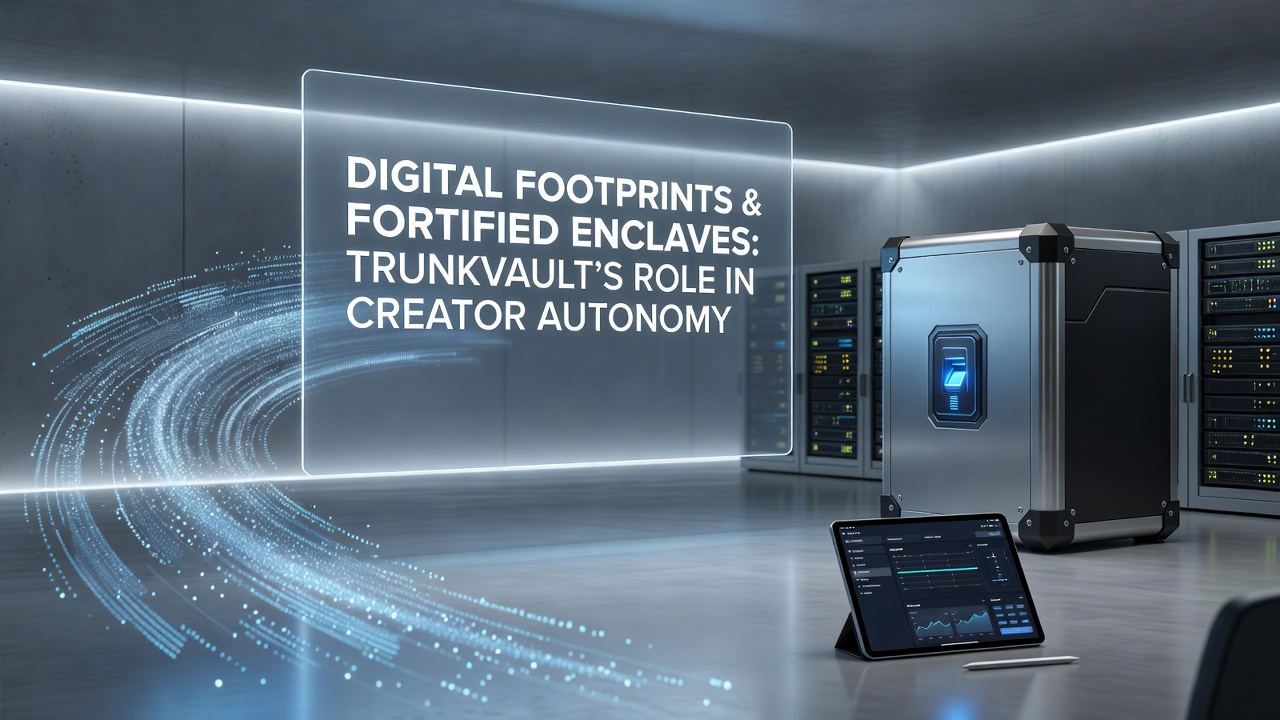
Creators across digital platforms generate extensive data trails through content uploads, audience interactions, and platform analytics, and these patterns have prompted development of specialized systems that isolate and protect personal archives while supporting independent operations. Trunkvault operates as one such system by providing structured enclaves that segment user data from broader network exposure, allowing solo publishers to retain control over their materials without relying on third-party hosting dependencies.
Mapping Digital Footprints in Creator Ecosystems
Digital footprints form through routine activities such as metadata embedding in published files, engagement logs from social channels, and algorithmic recommendations that track content performance across multiple sites, and researchers at institutions like the University of Toronto have documented how these elements accumulate over time to create comprehensive profiles of individual creators. Data from the Australian Communications and Media Authority shows that independent content producers often maintain archives spanning several platforms simultaneously, which increases the surface area for unintended data aggregation by external services.
Those who track these patterns note that footprints extend beyond visible posts to include cached versions, backup copies, and cross-referenced identifiers that persist even after original deletions occur. Trunkvault addresses this by establishing isolated storage layers where creators can house master files and associated records in environments designed to limit external indexing and automated scraping processes.
Construction of Fortified Enclaves for Data Isolation
Fortified enclaves function as segmented repositories that separate active content from archival materials, and observers note this separation helps creators avoid the compounding effects of platform policy changes that affect data accessibility. The approach relies on encryption protocols combined with access controls that require explicit user authentication for each enclave segment, thereby reducing the risk of bulk extraction through compromised credentials.
Studies indicate that creators who implement such isolation methods experience fewer instances of unauthorized redistribution compared with those who rely solely on standard cloud storage. Trunkvault incorporates these principles through its architecture that assigns unique keys to different content categories, allowing users to maintain distinct boundaries between public-facing materials and private development archives.
Trunkvault Implementation for Independent Operators
Trunkvault enables creators to establish these enclaves through a series of configurable storage modules that integrate with existing workflow tools, and figures from industry reports reveal growing adoption among solo publishers who seek alternatives to centralized platforms. The system logs access attempts and provides audit trails that document every interaction with stored materials, which supports compliance requirements in regions with strict data handling regulations.
One documented case involved a freelance documentary producer who transferred project files into Trunkvault modules after platform algorithm updates altered visibility metrics, and the transition allowed continued access to raw footage without exposure to the same recommendation systems. Similar patterns appear in reports from the European Data Protection Board, which highlight how structured storage solutions assist content creators in meeting obligations under evolving privacy frameworks.
Operational Patterns Observed in October 2026
By October 2026, usage data showed increased integration of enclave systems with content distribution networks that support direct audience connections, and this shift coincided with updates to data portability standards across multiple jurisdictions. Creators utilizing Trunkvault reported streamlined processes for migrating materials between storage locations while preserving original metadata integrity throughout the transfer sequences.
Analytics from that period indicate that enclave-based archiving correlated with higher retention rates for long-form projects, since creators maintained access to historical versions without platform-imposed expiration dates. The system also facilitated selective sharing where specific enclave segments could be opened to collaborators under time-limited permissions that automatically revoked upon project completion.
Autonomy Through Structured Data Governance
Autonomy in this context stems from the ability to define access hierarchies and retention schedules independently of external service terms, and evidence from creator surveys points to reduced platform dependency when such tools become part of standard practice. Trunkvault supports this by allowing users to set granular rules for data synchronization across devices while keeping core archives within controlled boundaries.
Those managing multiple content verticals find particular value in the system's capacity to maintain separate enclave environments for each project type, which prevents cross-contamination of analytics data that might otherwise influence recommendation algorithms. Regulatory developments in Canada have further emphasized the importance of such user-controlled mechanisms for individuals operating outside institutional frameworks.
Conclusion
Trunkvault contributes to creator autonomy by supplying the technical infrastructure for fortified enclaves that contain and manage digital footprints through deliberate segmentation and access controls. The patterns observed through 2026 demonstrate how these systems integrate into existing practices without requiring wholesale changes to content production routines, and they align with broader regulatory expectations around data handling. Continued documentation of usage trends will clarify the long-term effects on independence for solo operators navigating an increasingly interconnected digital landscape.