Logan Reed · 19 October 2026
Hardware Migration Patterns in Self-Hosted Preservation Setups for Independent Creators
Independent creators who manage their own digital archives often move between hardware platforms as storage needs evolve, and patterns in these transitions have become clearer through recent industry observations. Many start with basic external drives or small NAS units before shifting to more robust configurations that support higher capacity and better redundancy while maintaining control over their files.
Initial Hardware Choices and Early Setups
Creators frequently begin with consumer-grade hard disk drives connected via USB because these options provide straightforward access and low upfront costs. Data from storage trend reports shows that single-drive enclosures dominate the first phase for many solo operators who handle video, audio, and document collections. Those setups work adequately until capacity limits appear or failure rates prompt a change. Researchers at several academic institutions have tracked how users then evaluate options like multi-bay NAS devices that allow incremental expansion without full system replacement.
Observed Migration Triggers
Capacity growth and reliability concerns drive most transitions according to surveys conducted by preservation-focused organizations. When a single drive fills up or shows signs of wear, creators look toward RAID configurations or SSD arrays that deliver faster access and lower power draw. In October 2026, figures from digital heritage monitoring projects indicated a noticeable uptick in moves from spinning disks to hybrid systems that combine mechanical drives for bulk storage with solid-state caches for active files. This pattern appears across regions because energy costs and heat management play larger roles in long-term self-hosted environments.
Common Migration Pathways
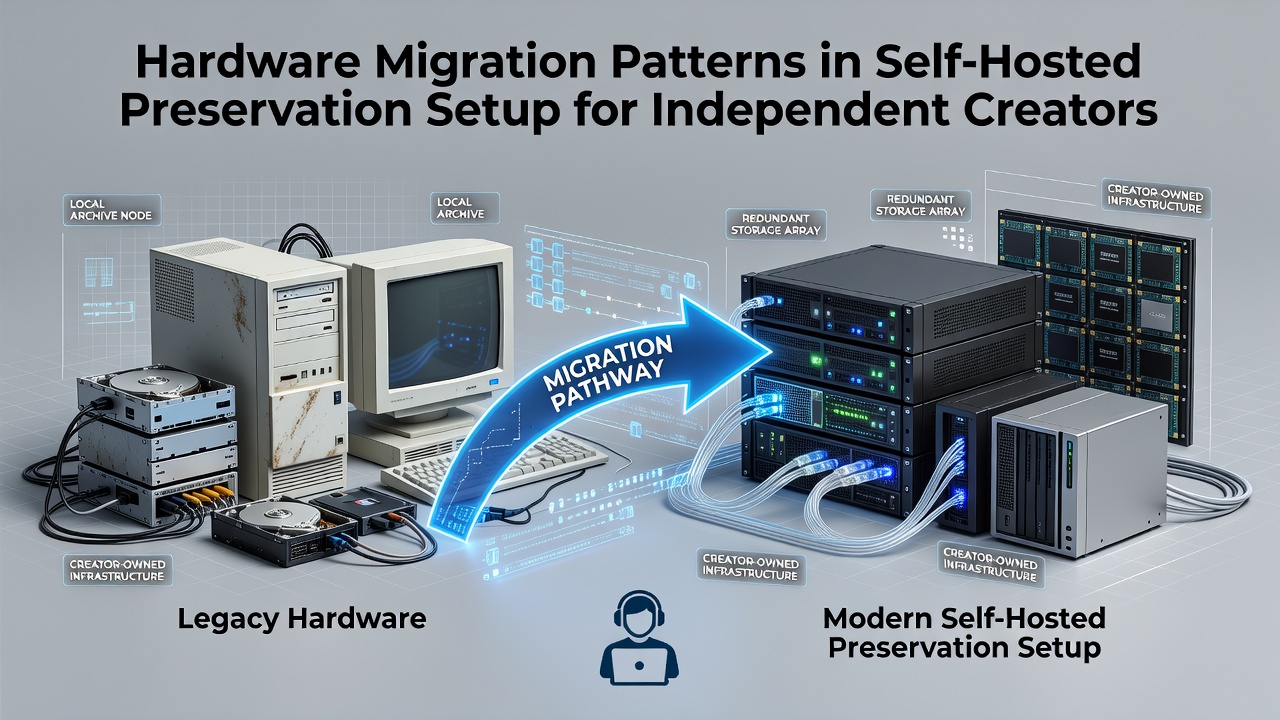
One frequent route takes creators from desktop towers with internal drives to dedicated rack-mounted or tower NAS units that support multiple users or scheduled backups. Observers note that this step often coincides with adoption of operating systems optimized for file serving such as TrueNAS or Unraid. Another pathway involves moving from local hardware entirely to colocated servers at smaller data centers, though many independents prefer keeping physical devices under direct supervision. Studies from European research networks have documented how creators in the EU and Australia follow similar sequences yet adapt them to local regulations on data residency.
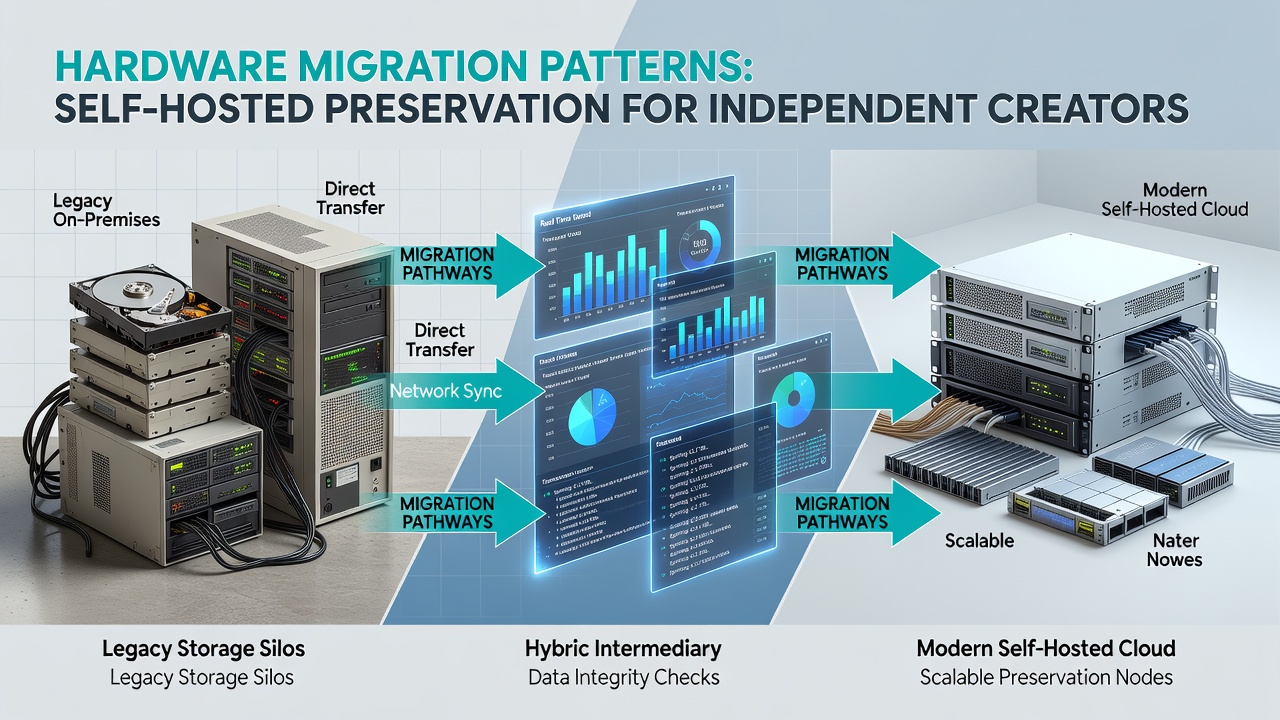
People who have completed several cycles report that planning for future expansion during the initial purchase reduces later disruption. Take one researcher who documented cases where early adoption of modular enclosures allowed drives to transfer directly into newer chassis without data migration overhead. Those who've studied this know that cable standards and form factor compatibility become deciding factors once collections exceed several terabytes.
Regional and Sector Variations
Patterns differ slightly by geography and content type. In North America many independents prioritize speed for video editing workflows and therefore favor NVMe-based solutions sooner, whereas creators in other regions often extend the life of existing SATA hardware through careful maintenance. Industry reports compiled by groups such as the National Archives of Australia highlight how environmental factors like humidity influence hardware longevity and subsequent migration timing. Meanwhile data compiled by North American preservation consortia points to increasing use of enterprise refurb drives as a cost-effective bridge between consumer and professional tiers.
Technical Considerations During Transitions
Successful migrations typically involve checksum verification at every stage along with temporary parallel systems that run until the new setup proves stable. Experts have observed that creators who document their drive models, firmware versions, and connection types experience fewer interruptions when swapping components. Power supply upgrades often accompany hardware changes because older units cannot reliably support additional bays or faster interfaces. And because file systems like ZFS or Btrfs require specific hardware features for optimal performance, many users time their platform switches to coincide with operating system updates that introduce better support for newer controllers.
Conclusion
Hardware migration in self-hosted preservation setups follows predictable sequences driven by capacity, reliability, and operational efficiency needs. Independent creators continue to refine these patterns as new storage technologies reach the market, and ongoing data collection from preservation organizations helps map how these transitions unfold across different scales of operation. The choices made at each stage shape long-term accessibility and cost structures for personal digital collections.