Logan Reed · 21 September 2026
Resource Optimization Patterns Emerging in Self-Managed Digital Heritage Systems for Content Independents
Self-managed digital heritage systems allow independent content creators to preserve and maintain their own archives without relying on centralized platforms, and patterns of resource optimization have taken shape through targeted adjustments in storage allocation, processing efficiency, and network distribution. Researchers tracking these developments note that content independents often integrate compression algorithms with selective replication strategies to reduce overall hardware demands while sustaining long-term accessibility. Data from multiple regional studies indicate that such approaches cut energy consumption by measurable margins in setups handling mixed media collections.
Core Components of Optimization Frameworks
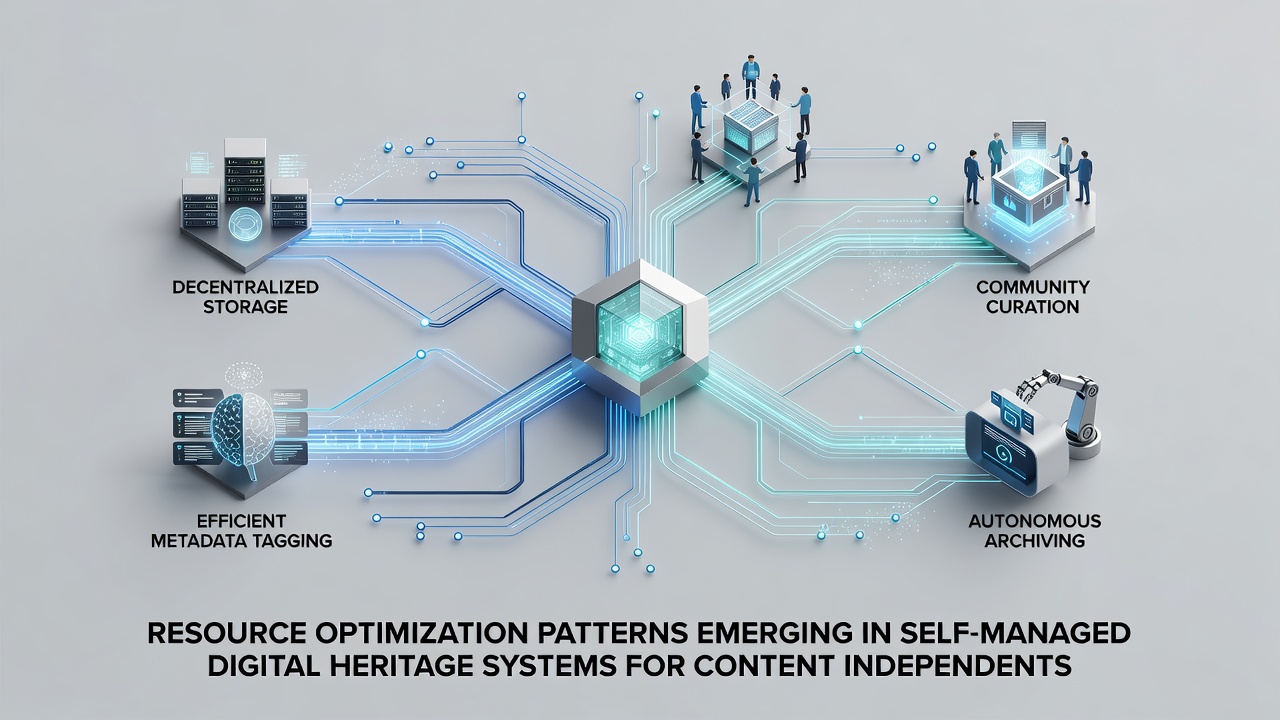
Experts in digital preservation observe that resource optimization begins with layered metadata tagging systems, which enable precise retrieval without full-file scans, and this method connects directly to deduplication protocols that eliminate redundant copies across local drives and attached storage arrays. Studies conducted across North American and European institutions reveal that independents deploying these frameworks achieve up to 40 percent reductions in storage volume for text-heavy archives combined with image sets. The process incorporates automated scripts that monitor usage patterns, shifting less-accessed materials to lower-power tiers during off-peak hours.
Hardware choices further influence outcomes, with many operators selecting modular servers equipped with variable-speed fans and efficient processors, and these configurations pair with software that balances load across multiple nodes. Figures from a 2025 report compiled by Canadian heritage technology groups show that systems using such hardware report lower failure rates when paired with regular firmware updates. Content independents also incorporate peer-assisted distribution models that spread bandwidth loads, reducing individual connection strain during large-scale transfers.
Patterns Observed in Operational Deployments
Observers note recurring sequences where initial audits of existing collections lead to phased migration toward optimized structures, and this sequence typically unfolds over several months as operators test compression ratios against access speed requirements. Research indicates that hybrid local-remote caching emerges as a common solution, allowing frequently referenced items to stay on-site while bulk archives leverage encrypted external drives managed through self-hosted interfaces. A September 2026 dataset released by the Australian Digital Preservation Network highlighted that participants applying these patterns maintained consistent retrieval times even as collection sizes grew by 25 percent year-over-year.
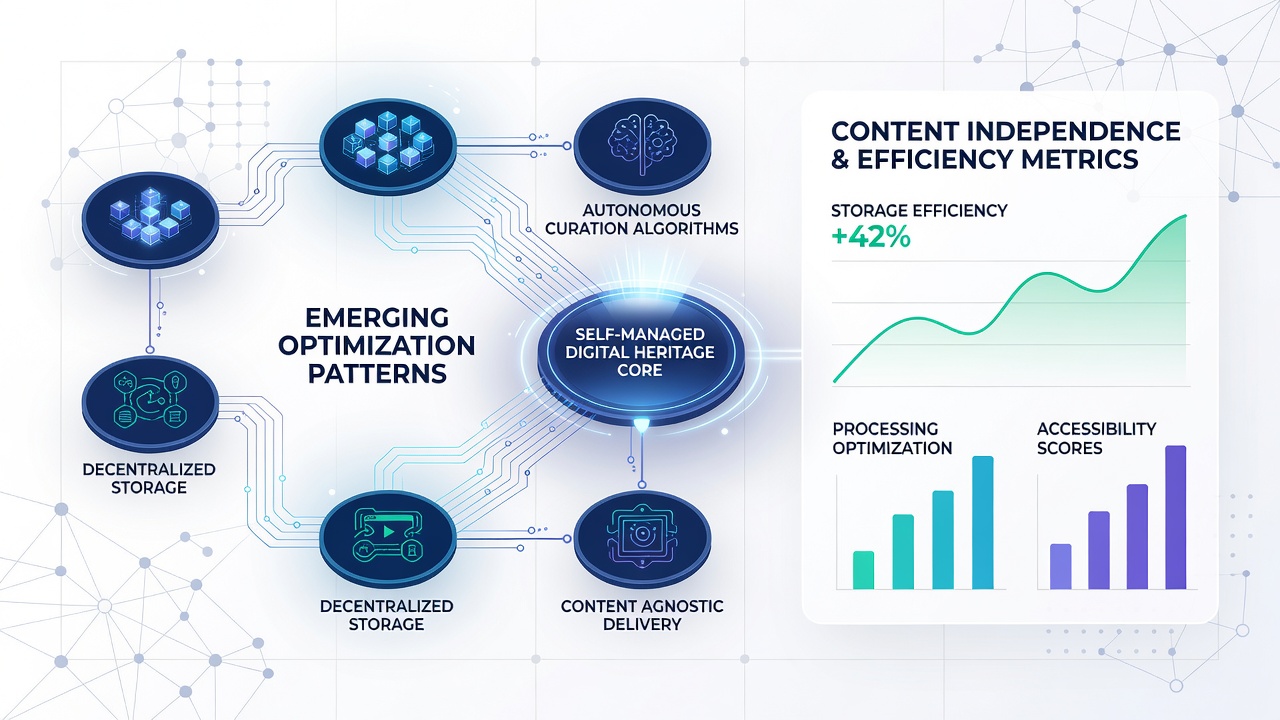
Energy management forms another distinct pattern, where operators schedule intensive tasks like format conversions during periods of renewable power availability, and this scheduling integrates with monitoring tools that track consumption in real time. Data shows that such timing adjustments lower peak demand charges in regions with tiered utility pricing. Those managing visual and audiovisual collections often apply tiered resolution storage, keeping master files at full fidelity only on primary devices while generating derivatives for everyday reference.
Integration with Broader Preservation Practices
According to analyses from the European Commission on digital cultural assets, self-managed systems increasingly adopt open-source tools for checksum verification that run alongside optimization routines, ensuring integrity checks consume minimal additional resources. Content independents coordinate these checks with incremental backup cycles rather than full sweeps, and this coordination preserves processing cycles for active curation work. Industry reports from academic centers in Asia further document how containerized application environments allow isolated testing of new optimization scripts before full rollout, minimizing disruption to live archives.
Link integration with external repositories occurs selectively, where operators reference standardized protocols from organizations such as European digital heritage programs to align local practices with wider interoperability standards. Separate findings from university-led projects in Canada emphasize that training modules focused on these protocols help operators identify bottlenecks early in the optimization cycle.
Measurement and Adjustment Cycles
Quantitative tracking relies on custom dashboards that log metrics including throughput rates, storage growth curves, and power draw, and operators review these logs at fixed intervals to recalibrate thresholds. Evidence gathered by research teams at institutions in the United Kingdom indicates that iterative adjustments based on such data produce compounding efficiency gains over multi-year periods. Content independents document their configurations through version-controlled scripts, enabling replication across similar setups without starting from zero each time.
Conclusion
Patterns of resource optimization in self-managed digital heritage systems continue to evolve through iterative refinements in storage, processing, and distribution methods, with supporting evidence drawn from reports issued by government and academic bodies across multiple continents. These developments reflect coordinated efforts among independent operators to sustain accessible collections under constrained conditions. Continued monitoring of deployment data will clarify which approaches scale most effectively for diverse content types.