Nils Bennett · 7 September 2026
Secure Archiving Methods for Solo Digital Projects in Specialized Storage Systems
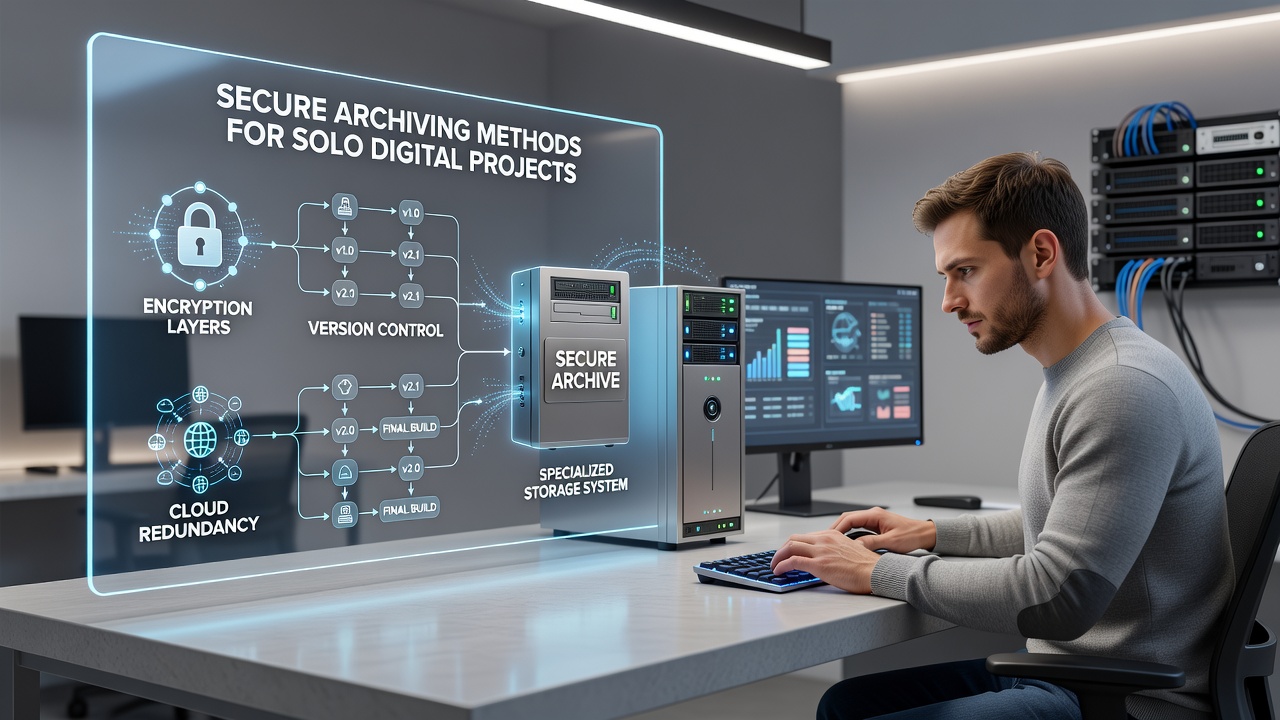
Secure archiving for solo digital projects demands structured approaches that combine encryption, redundancy, and access controls within specialized storage systems designed to handle long-term data retention without constant oversight. Observers note that individuals managing independent websites, code repositories, or creative archives often rely on these systems to maintain integrity across extended periods, where standard consumer drives fall short due to limited fault tolerance and audit capabilities.
Core Components of Specialized Storage Systems
Specialized storage systems incorporate hardware such as network-attached storage units with built-in RAID configurations alongside software layers that enforce immutability and versioning. Data from industry reports shows these setups allow solo operators to isolate project files in segregated volumes while applying automated integrity checks that flag corruption without manual intervention. Researchers at institutions focused on digital preservation highlight how such systems integrate with protocols that timestamp entries and restrict write access after initial upload, reducing exposure to ransomware or accidental overwrites.
One approach involves deploying appliances that support object storage with erasure coding, which distributes data fragments across multiple drives to survive simultaneous failures. Those who've implemented these note that the process begins with cataloging file metadata before transfer, ensuring each archive includes checksums generated via algorithms like SHA-256 for verification during retrieval. And because solo projects frequently span multiple formats, the systems accommodate mixed media types through containerization that preserves original structures.
Encryption and Access Protocols in Practice
Encryption serves as the foundation for protecting archived materials in these environments, with standards from bodies like the National Institute of Standards and Technology guiding key management practices that separate encryption keys from the storage hardware itself. NIST guidelines detail how solo users can apply AES-256 at rest while maintaining transport layer security during any synchronization. Access protocols further restrict interactions to authenticated sessions, often using hardware tokens or multi-factor methods that log every attempt for later review.
Studies indicate that combining client-side encryption before upload with server-side policies creates layered defense, where even if physical drives are compromised the contents remain inaccessible without separate credentials. People managing digital projects in remote locations have adopted these methods to comply with varying regional requirements, including those outlined by European agencies on data residency. Yet implementation varies, with some systems offering policy templates that automate retention schedules based on project completion dates rather than fixed calendars.
Backup Strategies and Redundancy Models
Effective redundancy follows patterns such as the 3-2-1 rule adapted for specialized hardware, where three copies exist across two different media types with one stored offsite. Research from preservation networks demonstrates that solo projects benefit when these copies reside in geographically separated facilities connected through secure tunnels, allowing periodic synchronization without exposing primary archives. Observers have documented cases where versioning features in these systems capture incremental changes automatically, creating point-in-time snapshots that facilitate recovery from partial corruption.
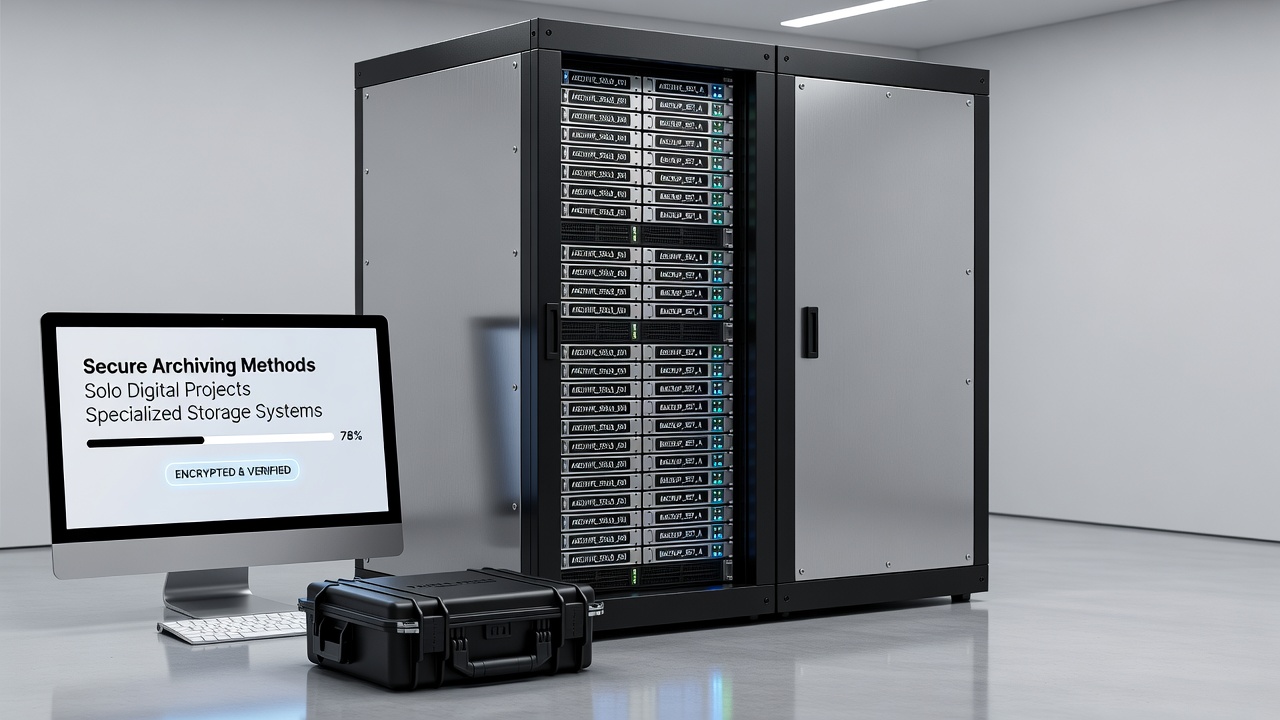
Additional measures include regular integrity scans that compare stored hashes against originals, with alerts routed to secondary channels if discrepancies appear. Data from academic analyses of long-term digital holdings reveals that integrating these scans with immutable storage prevents retroactive alterations, a feature particularly useful for projects involving legal or creative records that require chain-of-custody documentation. And while initial setup requires attention to network segmentation, once configured the systems operate with minimal ongoing input.
Emerging Developments Scheduled for September 2026
Updates planned for September 2026 include enhancements to specialized storage firmware that introduce native support for post-quantum cryptography algorithms alongside improved audit logging compatible with international standards. Reports from research consortia indicate these changes will allow solo operators to migrate existing archives without data re-encryption cycles, preserving computational resources. Observers tracking storage hardware trends note that new models will incorporate energy-efficient processors optimized for continuous verification tasks, reducing operational overhead for projects hosted in constrained environments.
Integration with emerging distributed ledger technologies for timestamp verification also appears on the horizon, though adoption depends on compatibility testing across different vendor platforms. Figures from technology adoption studies show gradual uptake among independent creators who already maintain offsite replicas, suggesting these features will extend existing workflows rather than replace them.
Conclusion
Secure archiving methods for solo digital projects continue to evolve through refined hardware capabilities and protocol updates that emphasize automation and layered protection. Evidence from multiple regulatory and research sources confirms that specialized storage systems provide the necessary framework when configured with encryption, redundancy, and scheduled verification. As developments approach in September 2026, these systems stand positioned to support sustained access and integrity for independent digital holdings across varied operational contexts.